Unveiling the Strength and Versatility of Stainless Steel Hoses in Industrial Applications
In the dynamic landscape of industrial applications, where reliability, durability, and efficiency are paramount, stainless steel hoses stand tall as indispensable components. These hoses have become synonymous with excellence, offering myriad benefits and catering to diverse industries ranging from petrochemicals to pharmaceuticals. Let's delve into the key advantages that make stainless steel hoses the preferred choice across various industrial sectors.
Unmatched Durability: Stainless steel hoses boast exceptional durability, making them ideal for withstand harsh industrial environments' rigours. Constructed from high-quality stainless steel alloys, these hoses exhibit remarkable resistance to corrosion, abrasion, and extreme temperatures. This durability ensures prolonged service life, reducing downtime and maintenance costs and thus enhancing overall operational efficiency.
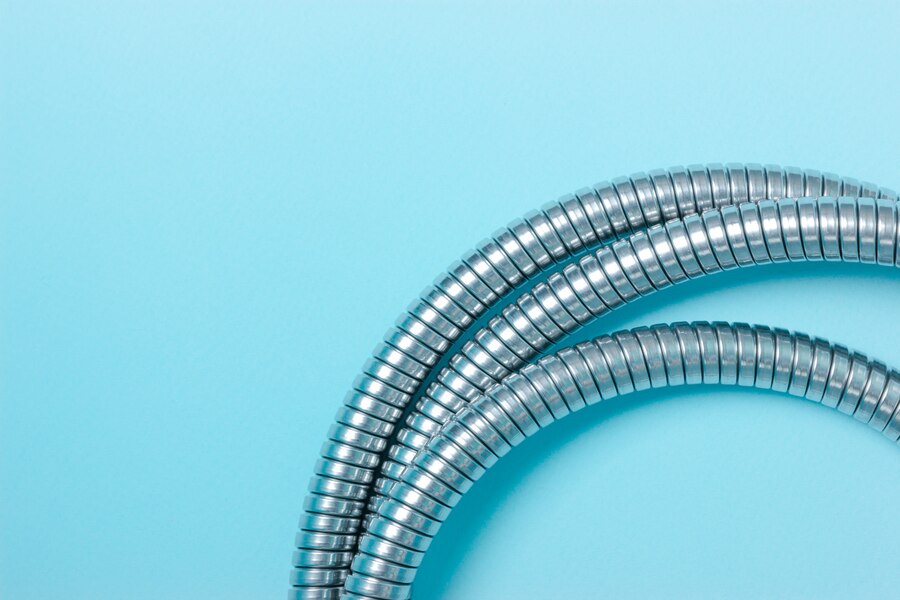
Superior Flexibility: Flexibility is crucial in industrial applications where complex layouts and tight spaces are common. Stainless steel hoses offer unparalleled flexibility, allowing for easy manoeuvrability and installation even in confined spaces. Their flexibility minimizes stress on connected equipment and prevents kinking or bending, ensuring uninterrupted flow of fluids or gases.
High Strength-to-Weight Ratio: Despite their lightweight nature, stainless steel hoses boast an impressive strength-to-weight ratio. Whether conveying aggressive chemicals or high-temperature steam, these hoses provide reliable performance under demanding conditions, ensuring safety and operational efficiency.
Resistance to Corrosion and Chemicals: Corrosion and chemical degradation pose significant challenges in industrial environments, often leading to equipment failure and safety hazards. Stainless steel hoses offer exceptional resistance to corrosion and a wide range of chemicals, including acids, alkalis, solvents, and hydrocarbons. This resistance ensures compatibility with various substances, making stainless steel hoses suitable for diverse applications across different industries.
Hygienic Properties: Maintaining strict hygiene standards is paramount to ensure product integrity and consumer safety in industries such as food and pharmaceuticals. Stainless steel hoses exhibit inherent hygienic properties, preventing bacterial growth and contamination. Their smooth, non-porous surface inhibits the accumulation of residues, facilitating easy cleaning and sterilization procedures, thereby meeting stringent regulatory requirements.
Temperature Resistance: Industrial processes often involve temperature extremes, ranging from cryogenic conditions to high-temperature operations. Stainless steel hoses excel in withstanding a wide temperature range, from sub-zero temperatures to elevated heat levels. This thermal stability ensures consistent performance and prevents thermal expansion or contraction, preserving the integrity of fluid or gas transfer systems.
Versatility and Adaptability: One of the most significant advantages of stainless steel hoses is their versatility and adaptability to diverse applications. Whether it's conveying fluids, gases, or abrasive materials, these hoses can be customized to meet specific requirements, including size, length, and end fittings. Their compatibility with various media and operating conditions makes them indispensable across various industrial sectors.
Long-Term Cost Savings: While the initial investment in stainless steel hoses may be higher than conventional alternatives, their long-term cost savings far outweigh the initial expenditure. With minimal maintenance requirements and extended service life, stainless steel hoses offer a compelling return on investment. Reduced downtime, lower replacement frequency, and enhanced reliability contribute to significant cost savings over the lifecycle of industrial systems.
Environmental Sustainability: As industries increasingly prioritize environmental sustainability, the choice of materials plays a crucial role in minimizing environmental impact. Stainless steel hoses are inherently eco-friendly, as they are recyclable and contribute to reducing waste generation. Furthermore, their durability and longevity reduce the need for frequent replacements, thereby conserving resources and reducing carbon footprint.
Compliance with Industry Standards: In regulated industries such as oil and gas, aerospace, and pharmaceuticals, compliance with stringent industry standards and specifications is non-negotiable. Stainless steel hoses are engineered to meet or exceed industry standards and certifications, ensuring reliability, safety, and compliance with regulatory requirements. Whether it's API, ASME, FDA, or ISO standards, stainless steel hoses offer peace of mind to industrial stakeholders.
Enhanced Safety: Safety is paramount in industrial environments where the slightest malfunction can lead to catastrophic consequences. Stainless steel hoses enhance safety by minimizing the risk of leaks, bursts, or contamination. Their robust construction and high-pressure resistance ensure reliable containment of fluids or gases, mitigating potential hazards and safeguarding personnel and equipment.
Customization Options: Stainless steel hoses offer extensive customization options for specific application requirements. From selecting the appropriate hose diameter and length to choosing compatible end fittings and accessories, users can tailor stainless steel hoses to their specifications. This customization capability enhances versatility and ensures optimal performance in diverse industrial settings.
Ease of Maintenance: Maintenance downtime can significantly impact industrial productivity and profitability. Stainless steel hoses require minimal maintenance thanks to their corrosion-resistant properties and durable construction. Routine inspections and preventive maintenance measures are sufficient to ensure continued reliability and performance, reducing downtime and operational disruptions.
Compatibility with High-Pressure Systems: High-pressure systems are commonplace in industries such as hydraulic engineering, aerospace, and automotive manufacturing. Stainless steel hoses excel in such applications, offering robust construction and reliable performance under high-pressure conditions. Their ability to withstand extreme pressures without compromising safety or performance makes them indispensable in critical industrial processes.
Global Availability and Support: Stainless steel hoses are readily available worldwide and are backed by a network of manufacturers, distributors, and service providers. This global availability ensures timely access to replacement parts, technical support, and expertise, irrespective of geographic location. Industrial stakeholders can rely on this extensive support network to maintain the continuity of operations and address any challenges effectively.
In conclusion, stainless steel hoses emerge as indispensable assets in modern industrial applications, offering many benefits ranging from unmatched durability and flexibility to resistance to corrosion, chemicals, and extreme temperatures. Their versatility, reliability, and compliance with industry standards make them the preferred choice across diverse industrial sectors. As industries evolve and innovate, stainless steel hoses remain at the forefront, driving efficiency, safety, and sustainability in industrial operations.


